


.png)
Spiritual Recovery Matters: How to Create a Trauma-Informed Ministry That Actually Works

Have you ever sat across from someone in your ministry, looked into their eyes, and felt like you were staring into a storm?
Maybe they’re struggling with a cycle of relapse. Maybe they’re "white-knuckling" their way through another week of sobriety, but their soul still feels like it’s drowning. You want to help. You want to offer the hope of the Gospel. But sometimes, it feels like the traditional Sunday school answers are hitting a brick wall.
I’ve been there, friend. I’ve been the one behind the wall, and I’ve been the one trying to climb over it to help someone else.
Through my work with Freedom House and various behavioral health groups, I’ve learned something that changed EVERYTHING for me: Spiritual recovery doesn’t happen in a vacuum. If we want to see real, lasting TRANSFORMATION, we have to talk about trauma.
We need to build a christian recovery ministry that doesn't just address the symptoms, but honors the story. We need to become trauma-informed.
What Does "Trauma-Informed" Actually Mean?
Does it mean we need a PhD in psychology to lead a small group? NO.
Does it mean we stop sharing the Bible and only talk about feelings? ABSOLUTELY NOT.
Think about it this way: trauma-informed ministry is simply about shifting our lens. Instead of looking at a person’s messy life and asking, "What is wrong with you?" we start asking, "What happened to you?"
It’s about moving from judgment to CURIOSITY.
When we understand that addiction, anxiety, and "acting out" are often survival responses to deep-seated pain, we stop being the "behavior police" and start being the "hope dealers" God called us to be.
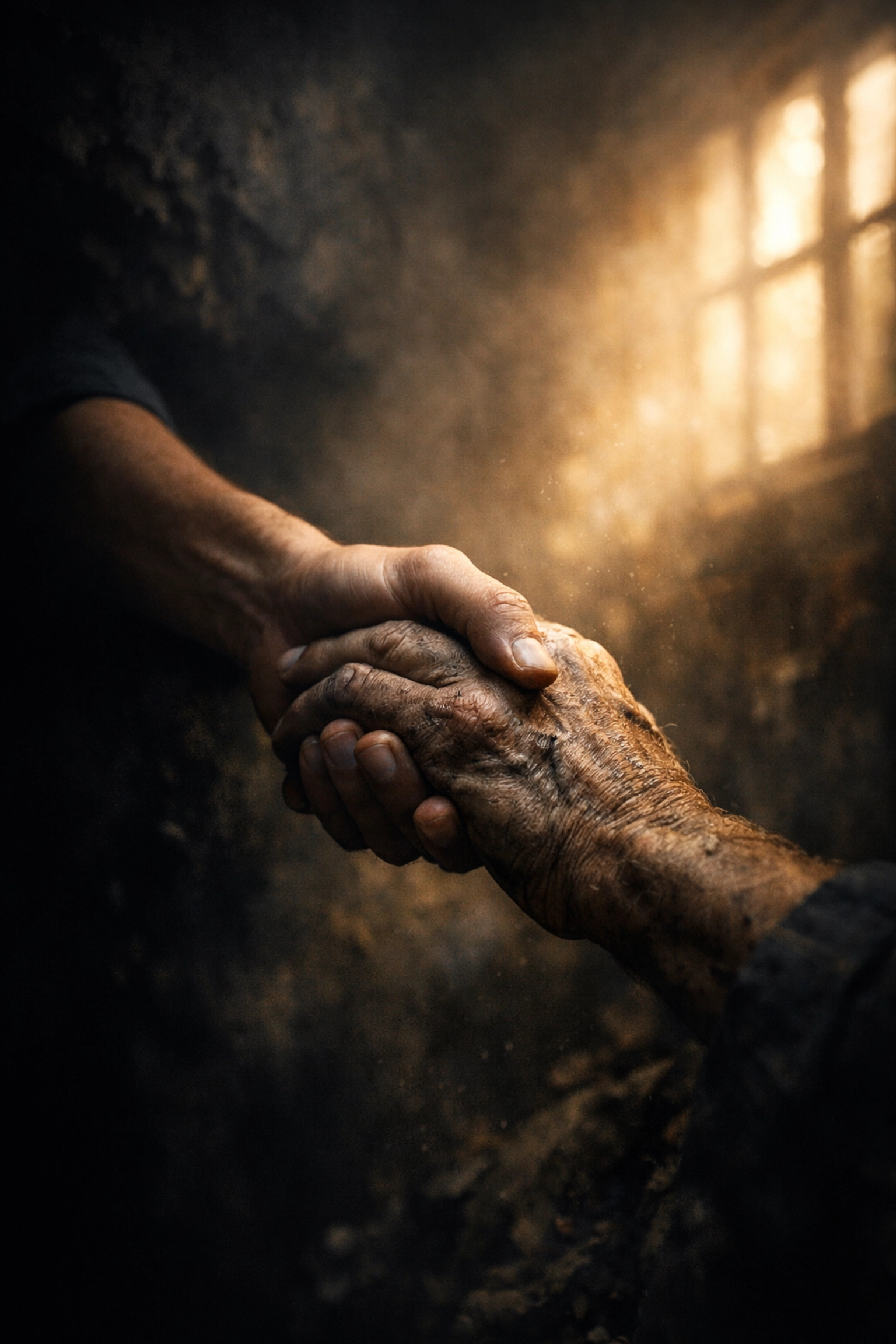
The Raw Reality of Spiritual Recovery from Addiction
Let’s get real for a second. Spiritual recovery from addiction is hard work. It is raw, it is messy, and it is often a two-steps-forward, three-steps-back kind of dance.
For the person in the thick of it, the church can sometimes feel like a scary place. If they’ve been burned by "religious" people before, or if they feel like they have to "fix" themselves before they can show up, they’re going to stay hidden. And we know that addiction thrives in the dark.
A trauma-informed ministry creates a safe harbor. It’s a place where we acknowledge that the nervous system is just as involved in recovery as the spirit is. We recognize that someone who has experienced significant trauma might have a hard time trusting a "Heavenly Father" if their earthly father was a source of pain.
We don’t just shout "just have more faith!" at a person who is having a panic attack. Instead, we sit in the dirt with them. We provide a space where GRACE is the air we breathe.
Why Your Past is the Key to Your Purpose
In my book, Courageous, I talk a lot about how our darkest chapters aren't meant to be erased: they’re meant to be REDEEMED.
You can read more about that journey here.
When we lead from a place of our own healed wounds, we give others permission to do the same. This is what I call "Self-Leadership." You cannot lead someone to a place of healing if you are still running from your own shadows.
If you are leading a christian recovery ministry, your greatest tool isn't your perfect record: it's your scars. It's the way you’ve allowed God to knit your broken pieces back together.
4 Pillars of a Trauma-Informed Ministry
So, how do we actually do this? How do we take these concepts and put them into practice? Here are four pillars I’ve found essential in my work with behavioral health groups:
1. Safety and Trust (The Foundation)
Trauma robs a person of their sense of safety. Therefore, the ministry environment must be physically and emotionally safe. This means clear boundaries, total confidentiality, and a "no-surprises" approach. People need to know that they won't be judged for their honesty.
2. Empowerment and Choice
Trauma is an experience of powerlessness. To heal, people need to regain their "voice." Instead of telling people exactly what they must do, offer choices. Invite them into the process. Let them decide when they are ready to share.
3. Collaboration Over Hierarchy
We aren't "experts" fixing "broken people." We are fellow travelers. When we approach ministry as a partnership, we remove the "us vs. them" barrier. We are all in need of the same mercy.
4. Holistic Awareness
We have to care about the whole person. This is why I'm such a big advocate for holistic recovery programs. We need to encourage professional therapy alongside spiritual discipleship. We need to talk about sleep, nutrition, and boundaries as much as we talk about prayer.

The Practical Stuff: Making it Work
"Does it actually work? I get it. I was skeptical too."
I used to think that maybe we were "over-complicating" the Gospel by bringing in all this trauma talk. But then I saw the breakthroughs. I saw people who had been stuck for decades finally find freedom because they finally felt SEEN and UNDERSTOOD.
Here is the practical "next step" list for your ministry:
Educate Your Volunteers: You don't need to be therapists, but everyone serving should understand the basics of how trauma affects the brain.
Build a Referral Network: Know who the good trauma-informed Christian counselors are in your area. You don't have to carry the clinical weight alone!
Language Matters: Swap out "Why are you doing that?" for "Help me understand what you're feeling right now."
Create "Soft" Entry Points: Not everyone is ready for a 12-step meeting. Sometimes a simple coffee get-together or a trauma-healing scripture group is the best place to start.
The Role of Fierce Hope
Ministry is exhausting. Working with people in recovery is even more so. You will get tired. You will feel like you're not doing enough.
But remember this: You are not the Savior. He already came, and He’s already won.
Our job is to create the space: the "trauma-informed" soil: where His Spirit can do the deep work of spiritual recovery.
When we lead with fierce hope, we are saying, "I see your pain, I see your struggle, and I REFUSE to believe that this is the end of your story."
We believe in REDEMPTION. We believe in the power of a God who specializes in bringing beauty out of ashes.

You Are Not Alone in This
Friend, if you are trying to build something that matters, if you are trying to reach the "unreachable," I am cheering you on.
Whether you are working in a formal setting like Freedom House or just trying to help a friend navigate spiritual recovery from addiction, your heart for this matters.
The world doesn't need more "perfect" ministries. It needs more HEALING ministries. It needs more people willing to get their hands dirty and their hearts broken for what breaks God's.
Are you ready to take that next step? Are you ready to move past the surface and dive into the deep, trauma-informed work of true recovery?
YES. You were made for this.
If you need more resources or want to bring these conversations to your church or group, check out my booking services. Let’s walk this path together.
The storm might be loud, but the Healer is louder.
Stay courageous. Stay redeemed.
With fierce hope, Stephanie
Comments