


.png)
5 Steps to Starting a Christian Recovery Ministry: An Easy Guide for Churches

Let’s be real for a second, friend.
When you look across your congregation on a Sunday morning, what do you see? Do you see the polished smiles and the "I’m fine" nods? Or do you see the eyes that are slightly too tired, the hands that are shaking just a bit, and the hearts that are drowning in secrets?
I’ve been there. I’ve been the one sitting in the pew, white-knuckling my way through a service, feeling like the messiest person in the room. I know what it’s like to feel like the church is a museum for saints instead of a hospital for the broken. But here is the beautiful truth: God doesn't want us to just survive; He wants us to find FREEDOM.
Starting a christian recovery ministry isn't just about adding another program to the calendar. It’s about creating a safe harbor for the people who are burned out, broken down, and ready for a change. It’s about saying, "We see you, we love you, and you don’t have to do this alone."
As the Recovery Minister at Crosspoint Church and the founder of Freedom Life Compass, Inc. and the Freedom Houses, I’ve seen firsthand how a trauma-informed, Christ-centered approach can transform lives. It's not always easy, but it is always worth it.
If your heart is stirring to bring this to your local church, here are five practical steps to get you started.
Step 1: Build the Vision and Educate Your Leadership
Everything starts with a "Yes" in the heart. But before you launch a single meeting, you need your leadership team on the same page.
Too often, we think recovery is just for "those people" out there, the ones under the bridge or in the headlines. But the reality? Addiction and trauma are sitting in the third row every single Sunday. Your leadership needs to understand that a recovery ministry isn't a "fringe" project; it is the very heart of the Gospel.
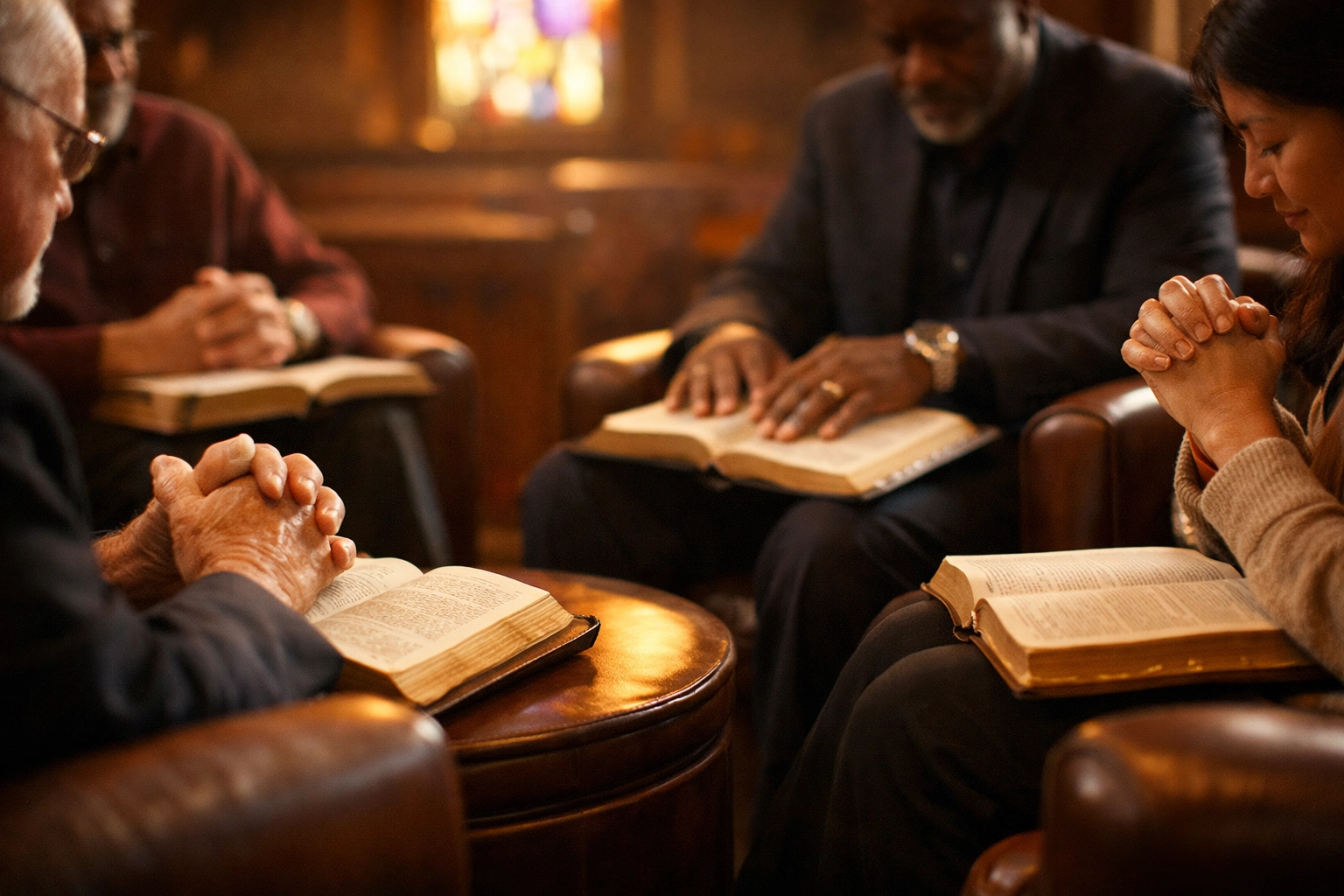
Start with prayer, raw, honest prayer. Ask God to break your heart for what breaks His. Then, educate. Show your pastors and elders that recovery support groups aren't just Bible studies; they are specialized environments designed for deep, messy healing. They require a different kind of grace and a different kind of patience.
When I first started Freedom Life Compass, the goal was simple: to point people back to their True North. Your church leadership needs to see that this ministry is a bridge between the crisis of the world and the peace of Christ.
Step 2: Identify the Raw Needs in Your Pews
You can’t fix a wound you refuse to look at.
Friend, I want you to be brave here. Ask the hard questions. What are your people actually struggling with? Is it alcohol? Is it childhood trauma? Is it the secret shame of pornography or the crushing weight of anxiety?
You might think you know, but you’d be surprised what people are hiding. You can use anonymous surveys or just start having real, unfiltered conversations with your congregants. When we started looking at the need for holistic recovery programs, we realized that people weren't just looking for a "stop drinking" class, they were looking for a life-transformation journey.
Assess the needs of your specific community. Are you in a rural area struggling with the opioid crisis? Are you in a suburban area where "wine culture" is masking deep-seated depression? Understanding the why behind the struggle is the first step to offering a solution that actually sticks.
Step 3: Establish Goals and Secure Real Support
It is so easy to get caught up in the "how" that we forget the "why."
Before you open the doors, what does success look like? Is it 50 people in a room? Or is it one person finally feeling safe enough to tell the truth for the first time in a decade? Hint: It’s the second one.

Establishing goals means more than just picking a date. It means securing a commitment from the church that this is a long-term investment. Recovery isn't a six-week course; it’s a lifelong walk. You need a space that is consistent and private, somewhere people can feel safe being "messy" without judgment.
At Freedom Life Compass, we realized early on that we couldn't do this in a vacuum. We needed the church to be the support system. We needed to know that if someone was graduating from a Freedom House, they had a church family ready to wrap their arms around them. Secure that support now. Make sure the church is ready to walk alongside these folks through the relapses, the tears, and the TRIUMPHS.
Step 4: Recruit and Train the Right Facilitators
This is where the rubber meets the road.
You don't need "perfect" people to lead a christian recovery ministry. In fact, if they think they’re perfect, they shouldn't be leading. You need people with "skin in the game."
We look for leaders who have at least one year of solid, long-term sobriety or significant progress in their own healing journey. Why? Because you can’t lead someone out of a pit you’re still sitting in.
But here’s the secret: they don’t need to be professional counselors. They just need to be willing to be a "guide on the side." They need to be trained in trauma-informed care, learning how to listen more than they talk and how to point everything back to the GRACE of Jesus.

Training is vital. You want facilitators who can handle a crisis without panicking and who understand the importance of confidentiality. When you empower people who have been redeemed, they carry a "fierce hope" that is contagious. They are living proof that God can take the most broken pieces of a life and make something beautiful.
Step 5: Select a Biblically Grounded Curriculum and Launch!
The practical stuff, let’s talk about it.
You need a curriculum that doesn't just put a "Christian band-aid" on a gaping wound. It needs to be biblically grounded AND psychologically sound. Integration is key. Whether you are using the 12 Steps or a specialized recovery workbook, it must point participants to the power of the Holy Spirit.
Think about it this way: the curriculum is the map, but the Holy Spirit is the engine.
When you’re ready to launch, keep it simple. Pick a night, secure a room, and start spreading the word. You don't need a massive marketing budget. Usually, the people who need it most are already looking for it.
If you’re looking for inspiration or a way to help your leaders understand the heart behind this work, I wrote my book, 'Courageous', for this exact reason. It’s my story of moving from adversity to triumph, and it’s a tool you can use to show your team that REDEMPTION is possible for anyone. You can find more about my story and the book right here.

You Don’t Have to Do This Alone
Friend, if you’re feeling overwhelmed, take a deep breath.
God doesn't call the equipped; He equips the called. If you feel that nudge in your spirit to start a christian recovery ministry, it’s because there are people in your community who are literally dying for the hope you have.
You don’t have to have it all figured out by next Tuesday. You just have to take the first step. Start with one conversation. Start with one prayer.
The road to recovery is often long and winding, but it leads to the most incredible destination: a life lived in the light of God’s love. I’ve seen the "white-knuckling" turn into "hands-raised" worship. I’ve seen the "drowning" turn into "dancing."
EVERYTHING can change when a church decides to become a place of true refuge.
Are you ready to be part of that TRANSFORMATION?
If you need more resources, or if you want someone to come and speak to your leadership team to help spark that fire, I am here for you. Check out my booking services or browse through the other posts on the site for more practical tips.
You’ve got this. He’s got you. Let's go bring some people home.
The next step is yours. Are you ready to say YES?
Comments